
1
/
of
1
Bushynose Pleco - Sm
Bushynose Pleco - Sm
Regular price
$8.99 USD
Regular price
Sale price
$8.99 USD
Shipping calculated at checkout.
Quantity
Couldn't load pickup availability
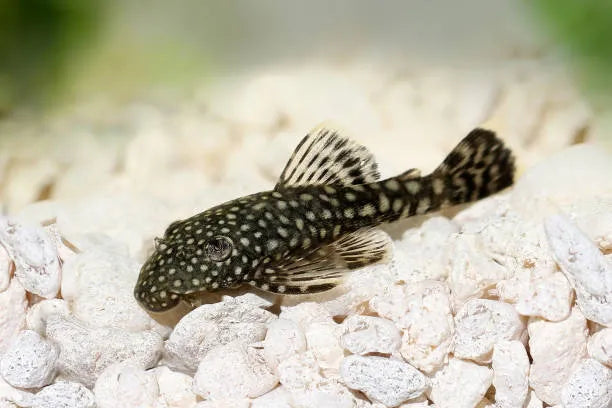
The bushynose pleco (Ancistrus sp.), also widely known as the bristlenose pleco, is a popular, peaceful, and hardy freshwater catfish in the aquarium hobby. They are valued for their manageable size and their efficiency as algae eaters.
Key Characteristics
- Size: Unlike common plecos which can grow very large, the bushynose pleco stays relatively small, typically reaching an adult size of 4 to 7 inches.
- Appearance: They have a flattened body, an armored appearance with a soft, fleshy head, and a sucker-shaped mouth used for grazing on surfaces. The most distinctive feature is the presence of fleshy, whisker-like tentacles (bristles) that grow around their snout. These bristles are much larger and more numerous on males than on females.
- Coloration: The standard coloration is typically brown or dark gray with mottled spots, but various color morphs are available, including albino, red, and calico variants.
- Behavior: They are generally peaceful community fish, though males can become territorial with other males, especially during breeding. They are primarily nocturnal and appreciate having plenty of hiding spots like caves and driftwood in the aquarium.
Diet and Habitat Needs
In an aquarium, bushynose plecos are excellent "clean-up crew" members, actively grazing on algae from glass, rocks, and decor. However, their diet must be supplemented with a variety of foods to ensure optimal health.
-
Diet:
- Algae wafers and high-quality vegetable-based pellets.
- Blanched vegetables like zucchini, cucumber, and spinach.
- Driftwood, which is an essential part of their diet and aids digestion.
- Aquarium: A minimum tank size of 20-30 gallons is recommended. They thrive in well-aerated water with some current and ample hiding places.
Their hardiness, unique appearance, and helpful algae-eating habits make them a favorite choice for both beginner and experienced aquarists.
Share